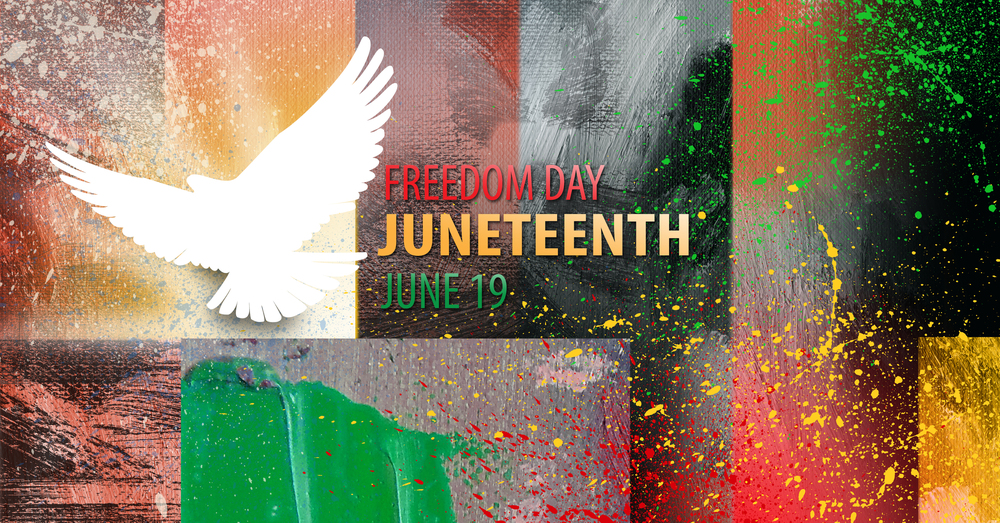
Juneteenth is celebrated each year on June 19 to honor the end of slavery in the United States and to recognize the resilience, culture, and contributions of African Americans throughout history.
Although President Abraham Lincoln issued the Emancipation Proclamation in 1863, freedom did not immediately reach all enslaved people. On June 19, 1865, more than two years later, Union troops arrived in Galveston, Texas, and announced that enslaved African Americans were free. This historic day became known as “Juneteenth,” combining the words June and nineteenth.
For many families and communities, Juneteenth has long been a celebration of freedom, hope, education, and progress. Gatherings often include music, storytelling, prayer, food, cultural traditions, and reflections on history and community. In 2021, Juneteenth officially became a federal holiday in the United States, recognizing its national significance.
Juneteenth is not only about remembering the past. It is also an opportunity to reflect on the ongoing journey toward equality, justice, healing, and unity. It encourages meaningful conversations about history, human dignity, and the importance of building stronger communities together.
Celebrating Juneteenth reminds us that freedom should never be taken for granted and that every person deserves to be treated with dignity, respect, and compassion. It is a time to honor those who endured hardship, recognize the progress that has been made, and continue working toward a future rooted in understanding and inclusion.
Today, Juneteenth celebrations take place across the country through community events, educational programs, festivals, art, music, and service initiatives. These gatherings create opportunities for people of all backgrounds to come together, learn from one another, and celebrate resilience, culture, and hope.
At its heart, Juneteenth is a reminder that history matters, community matters, and the work of peacebuilding and unity continues for future generations.
Best
Manal