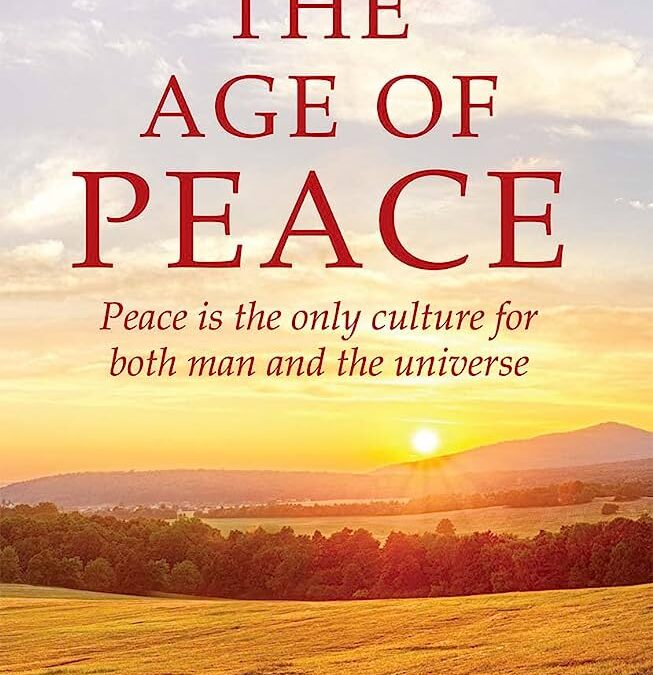
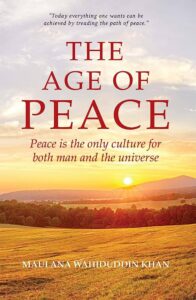
The Age of Peace is a thought-provoking book written by Maulana Wahiduddin Khan. The author explores the possibility of achieving world peace by emphasizing the importance of personal transformation.
The book starts by highlighting the current state of the world, which is characterized by conflict, violence, and discord. The author argues that the root cause of these problems lies in the mindset of individuals. According to him, people tend to focus on their differences rather than their similarities, leading to a sense of “us vs. them” mentality.
To counter this mindset, the author suggests that individuals need to undergo a process of personal transformation. This involves recognizing and overcoming one’s negative tendencies and cultivating positive qualities such as love, compassion, and forgiveness. By doing so, individuals can become agents of change and contribute to the creation of a peaceful world.
The book also touches on the role of religion in achieving peace. The author argues that while religion has often been used as a source of conflict, it can also be a source of inspiration for peace. He suggests that individuals should focus on the core principles of their respective religions, such as love, compassion, and service to humanity, rather than getting caught up in the dogma and rituals.
Overall, The Age of Peace offers a compelling perspective on how we can achieve world peace. By emphasizing the importance of personal transformation and the role of religion, the author offers a roadmap for individuals who wish to contribute to a more peaceful world. The book is a must-read for anyone who is interested in the topic of peace and is looking for practical solutions to the world’s problems.
Here are some of my favorite quotes from the book:
- “The world has never been without violence, and violence will always be there. What we need to do is to reduce violence to its lowest level.”
- “The only way to establish peace is to change our attitudes and behaviors. It is not a task for leaders, but a responsibility for every individual.”
- “Religion is not the problem. The problem is the interpretation of religion by people who have vested interests in promoting conflict and violence.”
- “Forgiveness is the greatest tool for establishing peace. It liberates the mind from negative thoughts and helps to build positive relationships.”
- “The real enemy of peace is not any particular nation, religion, or ideology. It is the ignorance and intolerance that lead to conflict and violence.”
Best,
Manal